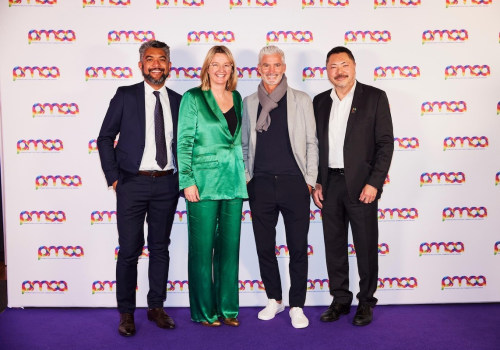
The marketing industry plays a pivotal role in shaping the global economy, acting as a bridge between businesses and consumers. In an era where information is abundant and choices are overwhelming, effective marketing strategies are essential for brands to stand out and connect with their target audiences. From traditional advertising methods to cutting-edge digital campaigns, the marketing landscape is constantly evolving, driven by technological advancements and changing consumer behaviors.As we delve into the world of marketing, it becomes clear that the largest marketing companies are not just service providers; they are innovators that set trends and redefine how brands communicate. These companies leverage data analytics, creative storytelling, and strategic planning to craft compelling narratives that resonate with consumers.
Their influence extends beyond mere advertising; they shape public perception, drive sales, and ultimately contribute to the economic growth of nations.Understanding the significance of these marketing giants is crucial for anyone interested in the business world. They not only generate substantial revenue but also employ thousands of individuals worldwide, fostering creativity and collaboration across various sectors. As we explore the biggest players in this industry, we will uncover how they have adapted to challenges and seized opportunities in a rapidly changing marketplace.This exploration will provide insights into what makes these companies successful and how they continue to lead the charge in an increasingly competitive environment. By examining their strategies and contributions, we can gain a deeper appreciation for the art and science of marketing, setting the stage for a comprehensive discussion on who truly holds the title of the biggest marketing company in the world.
Defining a Marketing Company
Understanding what constitutes a marketing company is essential for businesses looking to enhance their visibility and reach.At its core, a marketing company is an organization that specializes in promoting products or services through various strategies and channels. These companies employ a range of techniques to connect brands with their target audiences, ultimately driving sales and fostering brand loyalty.Marketing companies can be categorized into several types, each focusing on different aspects of marketing:
- Advertising Agencies: These firms create, plan, and manage advertising campaigns across various media platforms. They are responsible for crafting compelling messages that resonate with consumers, whether through television commercials, print ads, or digital banners.
- Digital Marketing Firms: With the rise of the internet, digital marketing has become a crucial component of any marketing strategy. These companies specialize in online marketing tactics such as search engine optimization (SEO), pay-per-click (PPC) advertising, social media marketing, and email campaigns.
- Public Relations Companies: PR firms focus on managing a brand's image and reputation.
They work to build relationships with the media and the public, often handling crisis communications and press releases to ensure that the brand maintains a positive public perception.
- Content Marketing Agencies: These agencies create valuable content aimed at attracting and engaging a target audience. This can include blog posts, videos, infographics, and more, all designed to provide useful information while subtly promoting a brand.
- Branding Agencies: Specializing in developing a brand's identity, these companies help businesses establish their unique voice and visual style. They work on logo design, brand messaging, and overall brand strategy to ensure consistency across all marketing efforts.
By leveraging various marketing strategies tailored to specific audiences, these companies play a pivotal role in driving business growth.
Criteria for Determining the Biggest Marketing Companies
When evaluating the biggest marketing companies in the world, several key criteria come into play. These factors not only help in ranking these companies but also provide insights into their operational scale and market influence.- Revenue: One of the most straightforward metrics for determining the size of a marketing company is its annual revenue. Companies that generate higher revenues are often considered more influential and capable of handling larger clients and projects. This financial metric reflects the agency's ability to attract and retain clients, as well as its overall market performance.
- Client Base: The diversity and prestige of a marketing company's client base are crucial indicators of its standing in the industry.
Agencies that work with globally recognized brands or have a wide range of clients across various sectors tend to rank higher. A strong client portfolio not only showcases the agency's capabilities but also enhances its reputation.
- Global Reach: The geographical footprint of a marketing company is another significant factor. Agencies with offices in multiple countries or regions can cater to a broader audience and adapt to different market dynamics. This global presence often allows them to leverage local insights while maintaining a cohesive brand strategy for their clients.
- Influence and Innovation: The impact a marketing company has on industry trends and practices is also essential.
Companies that lead in innovation, whether through creative campaigns or technological advancements, often gain recognition as leaders in the field. Their ability to set trends can significantly enhance their reputation and attract new business.
- Awards and Recognition: Industry accolades serve as a testament to a company's excellence in marketing. Awards from reputable organizations can elevate a company's status and validate its expertise. Agencies that consistently receive awards for creativity, effectiveness, or innovation are often viewed as top contenders in the marketing landscape.
This framework not only aids in identifying the biggest players in the industry but also provides valuable insights for businesses looking to partner with leading agencies.
Top Marketing Companies by Revenue
When it comes to identifying the top marketing companies by revenue, several key players dominate the landscape, showcasing their extensive reach and influence in the advertising world. Below is a detailed overview of these leading firms, highlighting their operations and notable clients.- WPP : As one of the largest advertising agencies globally, WPP boasts a staggering revenue that places it at the forefront of the industry. With a vast network of over 200 companies, WPP provides services ranging from advertising to public relations and digital marketing. Notable clients include Ford, Unilever, and Procter & Gamble.
- Omnicom Group : This American marketing and corporate communications company ranks high in revenue, thanks to its diverse portfolio of agencies such as BBDO, DDB, and TBWA.
Omnicom serves a wide array of clients including Apple, McDonald's, and PepsiCo, making it a powerhouse in the marketing sector.
- Publicis Groupe : Headquartered in France, Publicis Groupe is another major player in the global marketing arena. With revenues that place it among the top firms, Publicis operates through various subsidiaries like Leo Burnett and Saatchi & Saatchi. Their client roster includes major brands like Nestlé, L'Oréal, and Renault.
- Dentsu : As Japan's largest advertising agency, Dentsu has expanded its reach internationally. The company offers a comprehensive range of services across multiple domains including digital marketing and media planning.
Dentsu's impressive client list features global giants such as Facebook and Toyota.
- Interpublic Group (IPG) : This American company is known for its innovative approach to marketing and advertising. With agencies like McCann and FCB under its umbrella, IPG serves clients such as Coca-Cola and Johnson & Johnson. Its revenue consistently ranks it among the top marketing firms worldwide.
Global Reach of Major Marketing Companies
In the ever-evolving landscape of marketing, the global reach of major marketing companies plays a crucial role in their success and influence.These agencies not only serve local markets but also extend their services across continents, adapting to diverse cultural nuances and consumer behaviors.For instance, WPP , one of the largest marketing and communications companies in the world, boasts a presence in over 112 countries with more than 100,000 employees. This extensive network allows WPP to leverage local insights while maintaining a cohesive global strategy for its clients. Their ability to operate on such a large scale is a testament to their expertise in navigating complex international markets.Similarly, Omnicom Group , another giant in the marketing industry, operates through a multitude of agencies that span across 100 countries. With a workforce exceeding 70,000, Omnicom's diverse portfolio includes renowned names like BBDO and DDB, which are known for their innovative campaigns that resonate with audiences worldwide.
Publicis Groupe
, headquartered in France, is also noteworthy for its global footprint.
With over 80 countries represented and around 80,000 employees, Publicis has successfully integrated digital marketing into its traditional advertising roots. This integration enables them to offer comprehensive solutions that cater to the needs of multinational corporations.Moreover, Dentsu , Japan's largest advertising agency, operates in more than 145 countries with a workforce of approximately 60,000. Dentsu's unique approach combines local expertise with global strategies, making it a preferred partner for brands looking to penetrate Asian markets.The global presence of these marketing companies is not just about numbers; it reflects their ability to adapt and innovate in various cultural contexts. By establishing offices in key markets around the world, these agencies can provide tailored solutions that resonate with local consumers while maintaining the brand's core message.In conclusion, the international reach of major marketing firms significantly enhances their capabilities and effectiveness.
As they continue to expand their operations globally, these companies are well-positioned to meet the challenges of an increasingly interconnected world.
Innovative Strategies of Leading Marketing Firms
In the ever-evolving landscape of marketing, leading firms have consistently pushed the boundaries of creativity and innovation. These companies employ a variety of strategies that not only capture consumer attention but also foster brand loyalty and drive sales. Here, we explore some of the most effective marketing strategies and innovative advertising techniques utilized by top agencies.1.Data-Driven Decision Making
Many successful marketing companies leverage data analytics to inform their strategies. By analyzing consumer behavior, preferences, and trends, agencies can tailor their campaigns to meet the specific needs of their target audience.
For instance, Deloitte Digital utilizes advanced analytics to create personalized marketing experiences that resonate with consumers on a deeper level.
2.Integrated Marketing Communications
Leading firms often adopt an integrated approach to marketing communications, ensuring that all messaging is consistent across various channels. This strategy enhances brand recognition and reinforces the brand's message.
WPP
, for example, employs this technique through its various subsidiaries, creating cohesive campaigns that span digital, print, and broadcast media.3.Experiential Marketing
Experiential marketing focuses on creating memorable experiences for consumers. This strategy allows brands to engage with their audience in a more personal way.
A notable example is Coca-Cola's "Share a Coke" campaign, which encouraged consumers to find bottles with their names on them, fostering a sense of personal connection with the brand.
4.Social Media Engagement
With billions of users worldwide, social media platforms are essential for modern marketing strategies. Agencies like BBDO have successfully harnessed social media to create viral campaigns that engage audiences and encourage sharing. Their work on campaigns such as "The Real Life Pac-Man" for Google Maps exemplifies how interactive content can captivate users and generate buzz.
5.Influencer Collaborations
Partnering with influencers has become a staple in marketing strategies for many top firms. By collaborating with individuals who have established credibility and a loyal following, brands can reach new audiences effectively.
For instance, Cheil Worldwide has successfully executed campaigns featuring popular influencers to promote products in a relatable manner.
6.Sustainability Initiatives
As consumers become more environmentally conscious, leading marketing companies are incorporating sustainability into their strategies. Brands like P&G have launched campaigns highlighting their commitment to sustainability, which not only appeals to eco-conscious consumers but also enhances brand reputation.In conclusion, the innovative strategies employed by leading marketing firms are diverse and multifaceted. By leveraging data analytics, integrating communications, creating engaging experiences, utilizing social media effectively, collaborating with influencers, and committing to sustainability, these companies continue to set benchmarks in the industry while driving successful campaigns that resonate with consumers worldwide.
Challenges Faced by Major Marketing Companies
In the dynamic landscape of the marketing industry, major marketing companies encounter a myriad of challenges that can significantly impact their operations and effectiveness. Understanding these challenges is crucial for stakeholders aiming to navigate this complex environment.Intense Competition
One of the foremost challenges faced by large marketing firms is intense competition.
With the proliferation of digital marketing agencies and freelance marketers, established companies must continuously innovate to maintain their market share. New entrants often leverage cutting-edge technologies and agile methodologies, making it imperative for larger firms to adapt quickly or risk losing clients to more nimble competitors.
Shifting Consumer Behavior
Another significant obstacle is the changing consumer behavior. As consumers become more informed and empowered through technology, their expectations evolve. They demand personalized experiences and instant responses from brands.
This shift requires marketing companies to invest in data analytics and customer relationship management tools to better understand and anticipate consumer needs.
Technological Advancements
The rapid pace of technological advancements also poses a challenge. Marketing companies must stay abreast of emerging technologies such as artificial intelligence, machine learning, and automation tools. These technologies can enhance efficiency and effectiveness but require substantial investment in training and infrastructure. Failure to adopt new technologies can lead to obsolescence in an industry that thrives on innovation.
Regulatory Compliance
Moreover, navigating regulatory compliance is increasingly complex.
With stricter data protection laws like GDPR and CCPA, marketing firms must ensure that their practices align with legal requirements while still delivering effective campaigns. This balancing act can strain resources and complicate campaign strategies.
Talent Acquisition and Retention
Finally, attracting and retaining top talent remains a persistent challenge. The demand for skilled professionals in digital marketing far exceeds supply, leading to fierce competition for talent. Companies must not only offer competitive salaries but also foster a positive work culture that encourages creativity and innovation.In conclusion, while major marketing companies are at the forefront of shaping brand narratives and consumer engagement, they must navigate a landscape fraught with challenges.
By addressing these issues head-on, they can position themselves for sustained success in an ever-evolving industry.
Future Trends in Marketing Companies
As we look towards the future of the marketing industry, several key trends are emerging that are poised to reshape how marketing companies operate and engage with consumers. These trends not only reflect the evolving landscape of technology but also highlight a growing emphasis on sustainability and ethical practices.Digital Transformation
continues to be at the forefront of marketing strategies. With advancements in artificial intelligence (AI), machine learning, and data analytics, marketing companies are increasingly leveraging these technologies to enhance customer experiences. AI-driven tools enable personalized marketing campaigns that cater to individual preferences, making it easier for brands to connect with their target audiences on a deeper level.Moreover, the rise of social media platforms as powerful marketing channels cannot be overlooked.
Companies are now focusing on creating engaging content that resonates with users across various platforms. This shift towards social media marketing is not just about advertising; it’s about building communities and fostering genuine interactions between brands and consumers.
Sustainability Practices
are becoming a critical component of marketing strategies. As consumers become more environmentally conscious, they expect brands to adopt sustainable practices. Marketing companies are responding by promoting eco-friendly products and initiatives, which not only appeal to consumers but also enhance brand loyalty.
This trend is likely to grow as more companies recognize the importance of corporate social responsibility.Another significant trend is the increasing importance of data privacy. With regulations like GDPR and CCPA coming into play, marketing companies must navigate the complexities of consumer data protection while still delivering effective marketing strategies. Transparency in data usage will be crucial for maintaining consumer trust.Finally, the integration of omnichannel marketing strategies is set to redefine how brands interact with customers. By providing a seamless experience across multiple channels—be it online or offline—companies can ensure that their messaging is consistent and impactful.
This holistic approach allows for better customer engagement and retention.In conclusion, the future of marketing companies will be shaped by digital transformation, sustainability practices, data privacy concerns, and omnichannel strategies. As these trends continue to evolve, businesses that adapt quickly will not only thrive but also set new standards in the industry.
Conclusion: The Landscape of Marketing Companies Today
As we conclude our exploration of the largest marketing companies in the world, it is essential to reflect on the dynamic landscape that defines this industry. The marketing sector is not merely about advertising; it encompasses a broad spectrum of services that include digital marketing, media planning, public relations, and brand strategy. Understanding who the biggest players are in this field provides valuable insights into the trends and innovations shaping consumer engagement today.The companies highlighted in this article, such as WPP , Dentsu , and Interpublic Group , represent a diverse array of capabilities and specialties.Each agency brings its unique strengths to the table, whether it be through creative storytelling, data-driven strategies, or integrated marketing solutions. This diversity is crucial as brands seek to navigate an increasingly complex marketplace where consumer preferences are constantly evolving.Moreover, the rise of digital platforms has transformed how marketing companies operate. Agencies like Deloitte Digital and Mindshare exemplify this shift by leveraging technology and analytics to deliver targeted campaigns that resonate with audiences. The ability to adapt to new technologies and consumer behaviors is what sets these leading firms apart from their competitors.In addition to technological advancements, the importance of global reach cannot be overstated.
Many of the largest marketing companies operate in multiple countries, allowing them to tap into diverse markets and cultural nuances. This global perspective enables them to craft campaigns that are not only effective but also culturally relevant.As we look ahead, it is clear that the marketing industry will continue to evolve. The biggest marketing companies will need to stay ahead of trends such as artificial intelligence, personalization, and sustainability to maintain their leadership positions. For businesses seeking to partner with a marketing agency, understanding these dynamics is crucial for making informed decisions.In summary, recognizing the significance of the largest marketing companies provides a framework for understanding how brands can effectively engage with their audiences in today's fast-paced environment.
As these agencies continue to innovate and adapt, they will play a pivotal role in shaping the future of marketing.